
Built for the Workforce: How Community Colleges Prepare Arkansas to Work
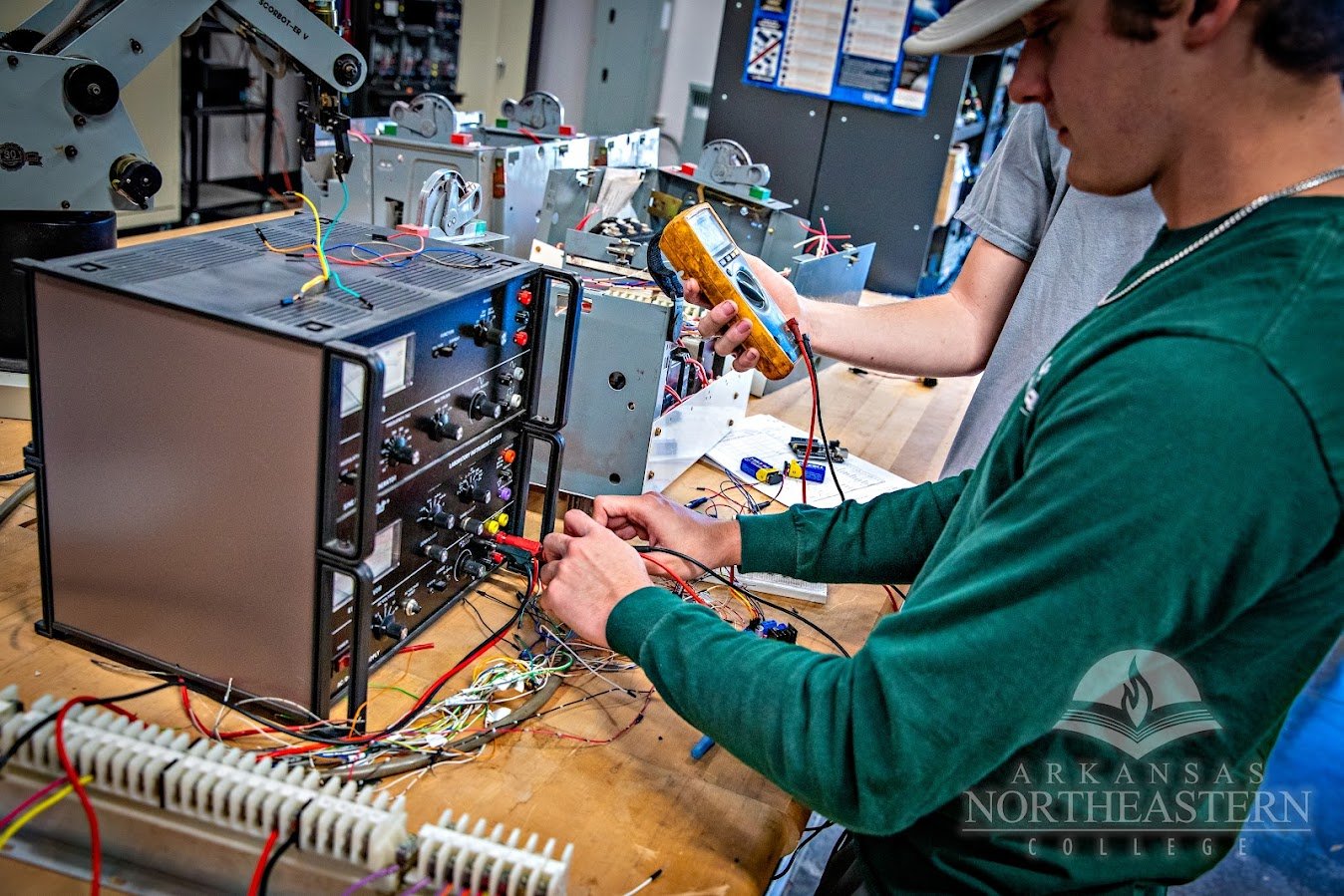
Photo provided by ANC
As we previously stated, Arkansas ranked #1 in certificate and workforce credential completion among states that participated in the recent Richmond Federal Reserve Survey of Community College Outcomes, which broadened the definition of success to include these types of credentials.
In Part 2 of our series, we will dig deeper into how community colleges are preparing students for work.
Part 2: The Backbone of Workforce Development
What is a workforce program?
There is no simple definition of a workforce training program, but the federal definition used for Perkins funding is a good starting point. Perkins funding is the federal government's primary investment in career and technical education. To be eligible for this funding, a workforce program must result in a Certificate of Proficiency, Technical Certificate, or Associate Degree of Applied Science. It does not include transfer-track associate degrees or programs in liberal arts, general studies, or the humanities.
Basically, a true workforce program equips students with skills aligned directly with employer hiring requirements. These programs prepare students to enter the workforce within two years.
Of the Arkansas students who enrolled in a community college credit program in the 2026 academic year:
18,585 (50%) enrolled in certificate or degree level workforce programs such as nursing, welding, construction, and truck driving.
That rate was even higher (96.2%) among students enrolled only in short-term certificate programs, which are typically completed within one year.
Enrollment in workforce certificate and degree programs increased by 15.9% from 2022 to 2026.
But that’s only half the story.
College credit programs are just one piece. Community colleges also provide noncredit Professional Skills Training (PST) for Arkansans looking to enter the workforce, change careers, or upskill in their current employment. Examples include occupational licensure preparation, customized industry training, and apprenticeships.
Recognizing how much this work matters, the Arkansas Division of Higher Education (ADHE) launched an ambitious push in 2024 to accurately capture data on these programs. That effort is now laying the groundwork for something Arkansas has never had: a dedicated funding mechanism to support noncredit PST.
Here's what the first real numbers show.
10,841 Arkansans enrolled in PST at a community college in the 2024 academic year.
72% (408,880) of all PST contact hours reported to ADHE were at a community college.
Top PST programs included business, engineering, health professions, construction, and mechanic trades.
These numbers are impressive, but they are likely an undercount. Gaps in data tracking, like students not reporting Social Security numbers, mean the true reach of PST is probably even larger. Even so, this is a strong foundation for making the case to highlight and fund these essential programs.
Why does this matter for students?
Community colleges reach into every corner of Arkansas. They link students to careers, workers to skills, and communities to opportunity, all without requiring anyone to leave their communities. And thanks to state scholarship programs like Workforce Challenge and AR Futures, both credit and noncredit PST training are within financial reach for the students who need them most, no matter their age.
Stay tuned for Part 3, where we'll examine how supportive services (such as career counseling, basic needs support, and childcare) are helping students complete training programs and enter the workforce.
Data provided by the Arkansas Division of Higher Education.